
If you’re a farmer starting vermicomposting, the first question is simple but important: Which worm should you choose? How fast you can make vermicompost? How healthy your worm population will stays? How will it affect your fields? This guide explains, in plain language, how to choose the right earthworm, what to watch out for, and how to start with a confidence.
Not All Earthworms Are Created Equal
First, let’s clear up a common misunderstanding.
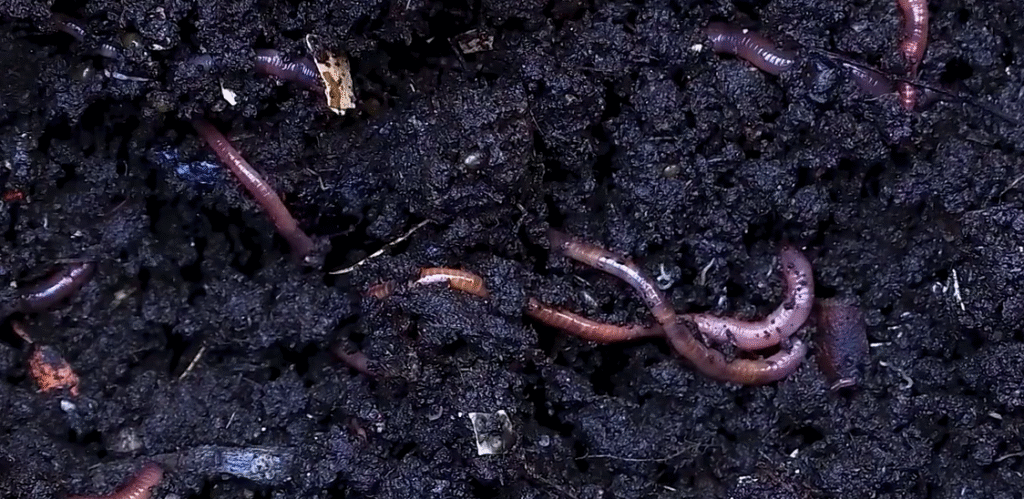
The common earthworms you find wriggling in your field after the rain (often called nightcrawlers) are not ideal for a vermicompost bin. They are deep burrowers and prefer to live in soil. Confining them to a compost pit stresses them, and they won’t process organic waste efficiently.
For vermicomposting, you need special types of worms called epigeic worms. These are surface dwellers that naturally live in piles of rotting leaves and manure. They are prolific eaters, breeders, and thrive in the confined, nutrient-rich environment of a compost bin.
In scientific terms:
Epigeic worms: These live near the surface and are the most common in home and farm vermicomposting. They eat readily and reproduce quickly in bin environments.
Endogeic and anecic worms: These live in soil and deeper channels. They’re not ideal for standard vermicomposting setups and are less commonly used for quick kitchen-waste processing.
Which Epigeic Worm Should You Choose?
When it comes to efficient vermicomposting, two types of epigeic earthworms are globally recognized and widely used. The best choice for you might depend on your climate.
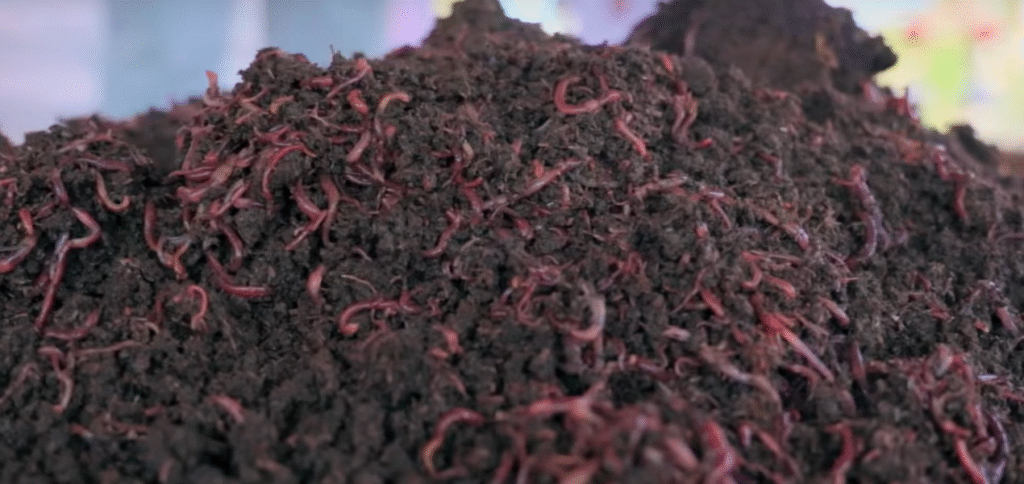
1. Eisenia fetida (The Tiger Worm or Red Wiggler)
This is the most popular and highly recommended worm for beginners and experts alike.
Why it’s the best choice: They are incredibly hardy, have a massive appetite (they can eat more than their own body weight in food daily!), and reproduce quickly. They prefer temperatures between 55-75°F (13-24°C). They can tolerate slightly cooler or warmer temperatures for short periods but will become stressed or die if exposed to extreme heat or freezing conditions. They are quite tolerant of fluctuations in moisture and pH, making them forgiving for beginners.
Identification: They are reddish-brown with faint stripes (like a tiger), hence the name. They are very active and wriggle vigorously when disturbed.
Why it’s safe for your field: These worms are compost specialists. They are not soil dwellers. When you add the finished vermicompost to your field, the worms will have already done their job. They will not invade or disrupt your field’s natural ecosystem; they will simply enrich it with their castings (worm manure) and then naturally die out if the environment isn’t right for them, causing absolutely no harm.
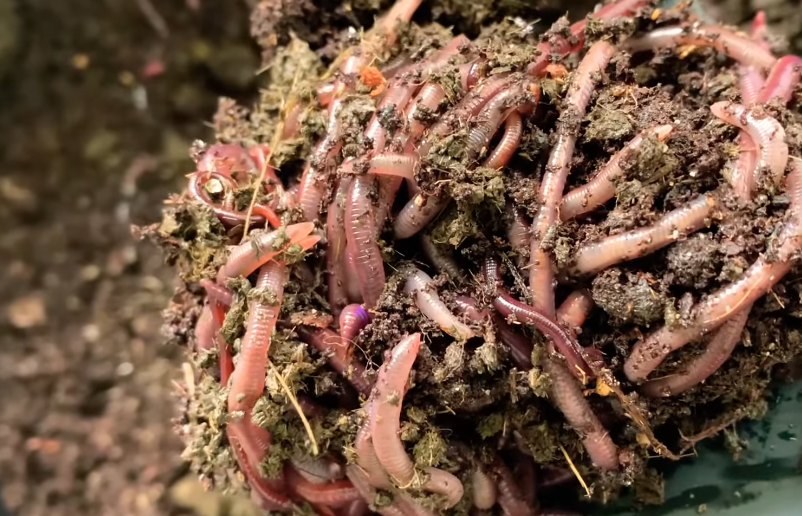
2. Eudrilus eugeniae (African Nightcrawlers / Super Red Worms):
This is another excellent option, especially if you live in a warmer region.
Why it’s a great choice: These worms are larger and grow faster than red wigglers, making them excellent for larger-scale operations and in warmer climates. They are also very efficient processors of organic matter. They thrive in warmer conditions, preferring temperatures between 70-85°F (21-30°C). They are sensitive to cold and will not survive freezing temperatures. While they are robust in warmer climates, they are more sensitive to very dry conditions or a sudden drop in temperature compared to red wigglers.
Identification: They are large, greyish-blue, and more muscular.
Why it’s safe for your field: Just like the Red Wiggler, the African Nightcrawler is a composting worm, not a soil worm. It prefers the rich, decomposing matter in your bin and will not become an invasive pest in your field soil.
What to Be Careful Of When Choosing Your Worms
Making the right choice is crucial for the success of your vermicomposting venture and to ensure you’re not introducing anything that could be detrimental to your farm’s ecosystem. Here are key points to consider:
Avoid Common Garden Earthworms: As mentioned, do not dig up worms from your field. They will not survive or work effectively in a compost bin.
Source from a Reputable Supplier: Always buy your starter batch of worms (called a “worm culture” or “composting worms”) from a trusted vermicompost supplier, a government agriculture institute or a known organic farming NGO. This ensures you get the correct species.
Check for Health: When you get your worms, they should be:
- Active and Wriggling: A sign of good health.
- Smelling Earthy: They should smell like fresh soil, not rotten or foul.
- Free of Pests: The bedding should not have many other insects or mites.
Don’t Mix Species: Stick to one type (either Red Wigglers or African Nightcrawlers). Mixing species can create competition, and one type may outcompete and eliminate the other.
Understand Their Needs: Remember, you are creating a home for them. They need a moist (not wet), dark, and well-ventilated bin filled with bedding (like shredded newspaper or dried leaves) and kitchen/farm waste (vegetable scraps, fruit peels, cow dung).
Bottom line For farmers:
Choosing the right earthworm is the first, crucial step to unlocking the immense benefits of vermicomposting for your farm. By understanding the difference between earthworm types and selecting robust epigeic species like Red Wigglers (Eisenia fetida), you’re setting yourself up for success. You’ll be turning waste into a valuable resource, improving your soil health, and boosting your farm’s productivity in a natural, sustainable, and cost-effective way.
So, dive in, select your wiggly workforce, and prepare to transform your farm with the power of vermicompost!
Get started today, your well wisher Happyplantation
1 thought on “The Farmer’s Secret Weapon: Choosing the Perfect Earthworm for Your Vermicompost”