In the heart of India’s agricultural heritage lies a group of tiny, yet mighty, grains known as millet’s. Long overshadowed by modern staples like wheat and rice, these ancient grains are making a powerful comeback, celebrated as nutri-cereals for their incredible health benefits and environmental resilience. With the Indian government declaring 2023 as the “International Year of Millet’s,” there’s never been a better time to explore these super foods. Let’s embark on a journey to discover the unique characteristics, nutritional profiles, and health advantages of India’s most cherished millet’s.
Why Choose Millet s? The Triple Advantage
Before we dive into the specific types, why should millet’s be on your plate?
A Nutritional Goldmine: Millet s are naturally gluten-free, rich in dietary fiber, packed with protein, and loaded with essential minerals like iron, calcium, magnesium, and phosphorus.
Health in Every Grain: Their low glycemic index makes them ideal for managing blood sugar levels. The high fiber content aids digestion, promotes weight loss, and supports cardiovascular health
Champions of Sustainability: Millet’s are “climate-smart” crops. They require significantly less water than rice or wheat, can grow in poor soil conditions, and have a short growing season, making them a sustainable choice for farmers and the environment.
1. Sorghum (Jowar) – Sorghum bicolor
Also Known As: Jowar (Hindi), Jola (Kannada), Cholam (Tamil)
The Staple Powerhouse: Sorghum, known as Jowar in India, is one of the most widely grown millet’s. Its versatile grains can be popped like popcorn, ground into flour for traditional bhakris (flatbreads), or cooked like rice.
Nutritional Benefits: Jowar is incredibly rich in iron, protein, and fiber. It is also naturally gluten-free and contains powerful antioxidants like polyphenols and anthocyanins (especially in darker varieties), which combat oxidative stress.
Health Advantages: Excellent for managing diabetes due to its slow-digesting starch, it helps in weight management, improves heart health by lowering cholesterol, and supports bone health with its high magnesium and calcium content.*
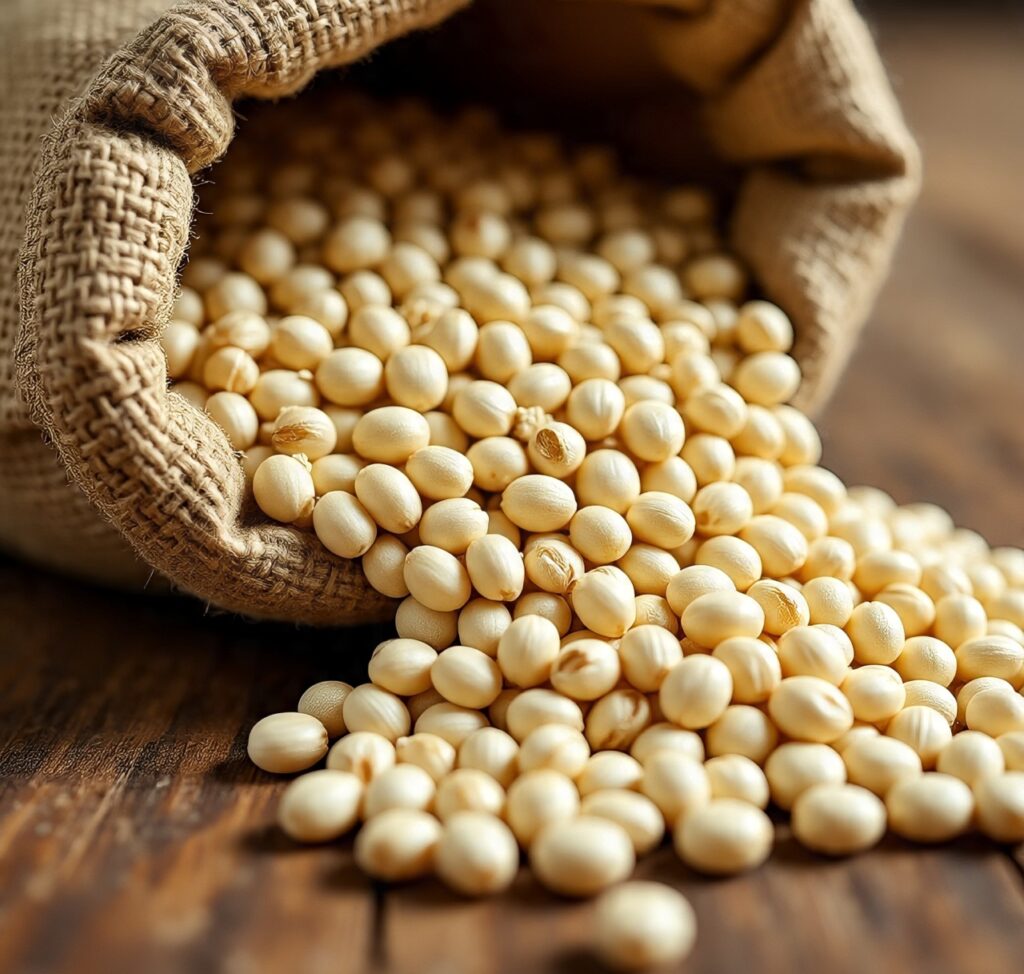
2. Pearl Millet (Bajra) – Pennisetum glaucum
Also Known As: Bajra (Hindi, Punjabi), Sajje (Kannada), Kambu (Tamil)
The Winter Warmth: Bajra is a hardy crop that thrives in arid regions. It’s a winter favorite in North India, often consumed as rotis that provide warmth and energy.
Nutritional Benefits: It boasts the highest iron content among all cereals. It’s also a great source of protein, fiber, magnesium, and essential amino acids.
Health Advantages: Its high fiber content aids digestion and prevents constipation. The iron combats anemia, while the magnesium helps regulate blood pressure and supports nerve function.*

3. Finger Millet (Ragi) – Eleusine coracana
Also Known As: Ragi (Hindi, Kannada), Nachni (Marathi), Mandua (Hindi)
The Nutrient Champion: Ragi is a superstar in the millet family, renowned for its exceptional calcium content. It’s often used to make porridges, malt-based drinks, and baked goods.
Nutritional Benefits: It contains up to 10 times the calcium of wheat or rice, making it phenomenal for bone health. It’s also rich in iron, amino acids, and dietary fiber.
Health Advantages: A natural remedy for anemia. Its high polyphenol content makes it a strong anti-diabetic agent. It’s also a popular weaning food for infants due to its easy digestibility and nutrient density.*
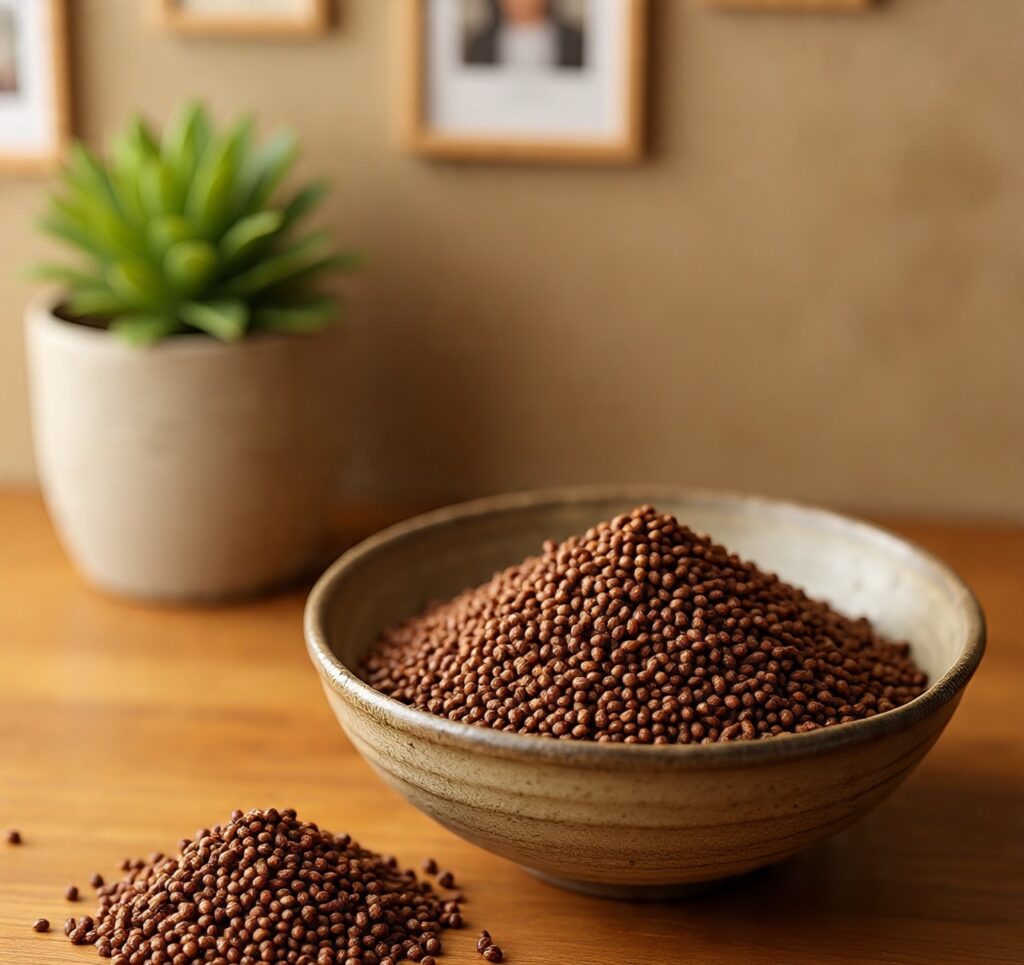
4. Kodo Millet – Paspalum scrobiculatum
Also Known As: Kodra (Hindi), Varagu (Tamil), Arikelu (Telugu)
The Digestive Aid: Kodo Millet is known for its easy digestion and is a great rice alternative. It has a slight husk and a pleasant texture when cooked.
Nutritional Benefits: It is very high in dietary fiber and B vitamins, particularly Niacin (B6), B12, and folic acid. It also provides a good amount of minerals like calcium, iron, and potassium.
Health Advantages: The high lecithin content strengthens the nervous system. Its fiber content is excellent for regulating blood sugar levels, lowering cholesterol, and aiding weight loss.*
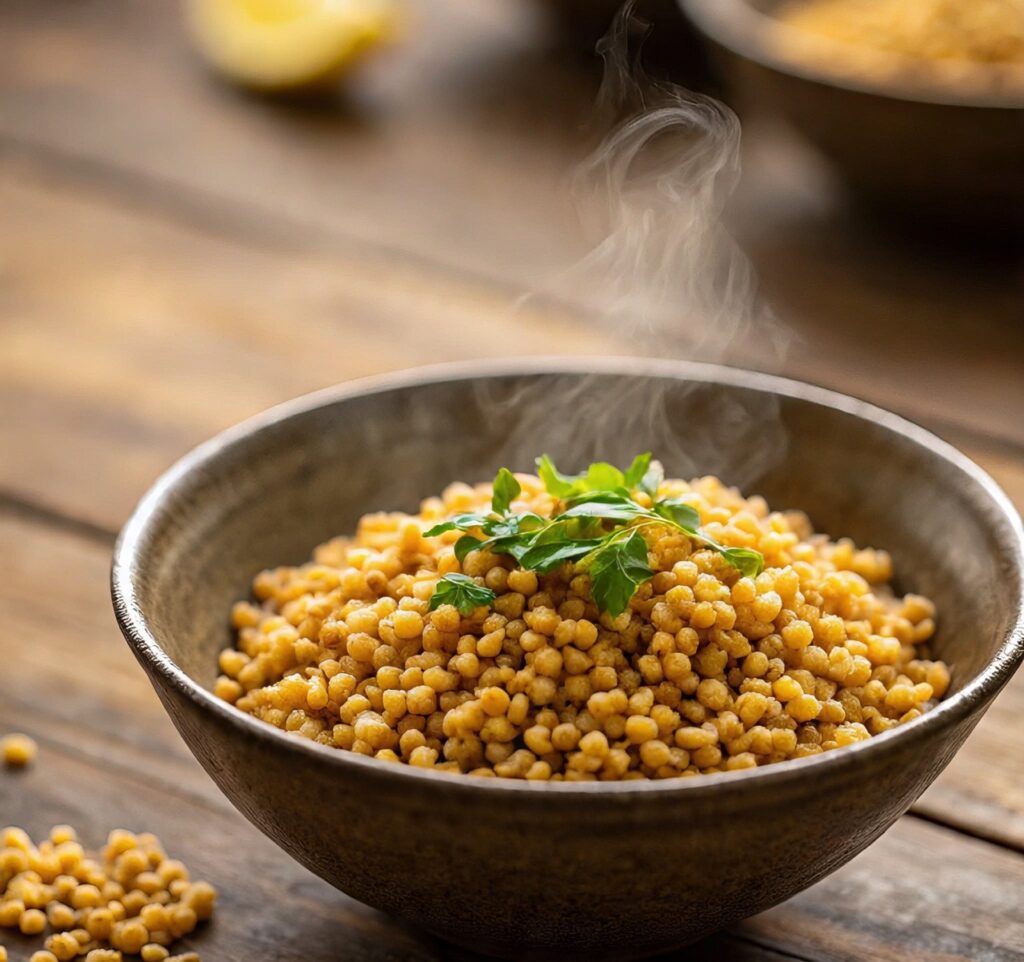
5 Little Millet – Panicum sumatrense
Also Known As: Kutki (Hindi), Samai (Tamil), Same (Kannada)
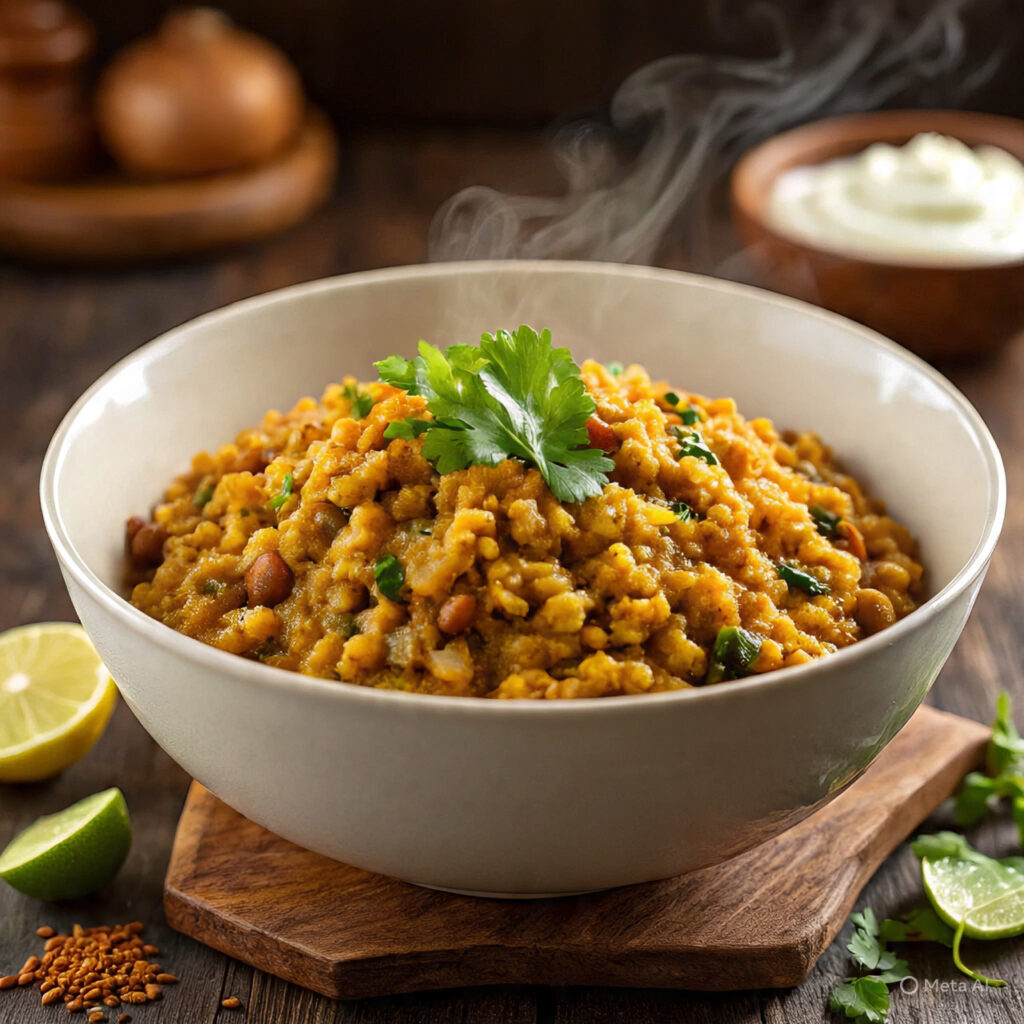
The Versatile Miniature: As the name suggests, Little Millet has small grains. It cooks quickly and is incredibly versatile, perfect for khichdi, pongal, or even as a rice replacement.
Nutritional Benefits: It is packed with B vitamins, minerals like potassium, zinc, iron, and calcium, and is high in fat compared to other millet’s, providing good energy.
Health Advantages: The high fiber content promotes a feeling of fullness, aiding in weight control. Its mineral richness supports overall metabolism and vitality.*
6. Barnyard Millet – Echinochloa sp.
Also Known As: Sanwa (Hindi), Jhangora (Hindi), Kuthiravali (Tamil)
The Fastest Growing: Barnyard Millet is the fastest-growing of all millet’s and has the lowest glycemic index, making it a top choice for diabetics.
Nutritional Benefits: It is a good source of highly digestible protein and is exceptionally rich in fiber, far surpassing the fiber content of rice and wheat.
Health Advantages: Ideal for weight loss diets due to its low calorie and high fiber content. It helps in controlling blood sugar and cholesterol levels effectively.*

7. Browntop Millet – Urochloa ramose
Also Known As: Korle (Kannada), Andu Korralu (Telugu)
The Lesser-Known Gem: This millet is primarily grown in Karnataka and Andhra Pradesh. It’s not just a food crop but also excellent for fodder and bird feed.
Nutritional Benefits: It is exceptionally high in fiber and iron. It also contains a significant amount of magnesium, phosphorus, and zinc.
Health Advantages: Its high fiber content is superb for digestive health and diabetes management. It’s known to be beneficial for people with celiac disease or gluten intolerance.*
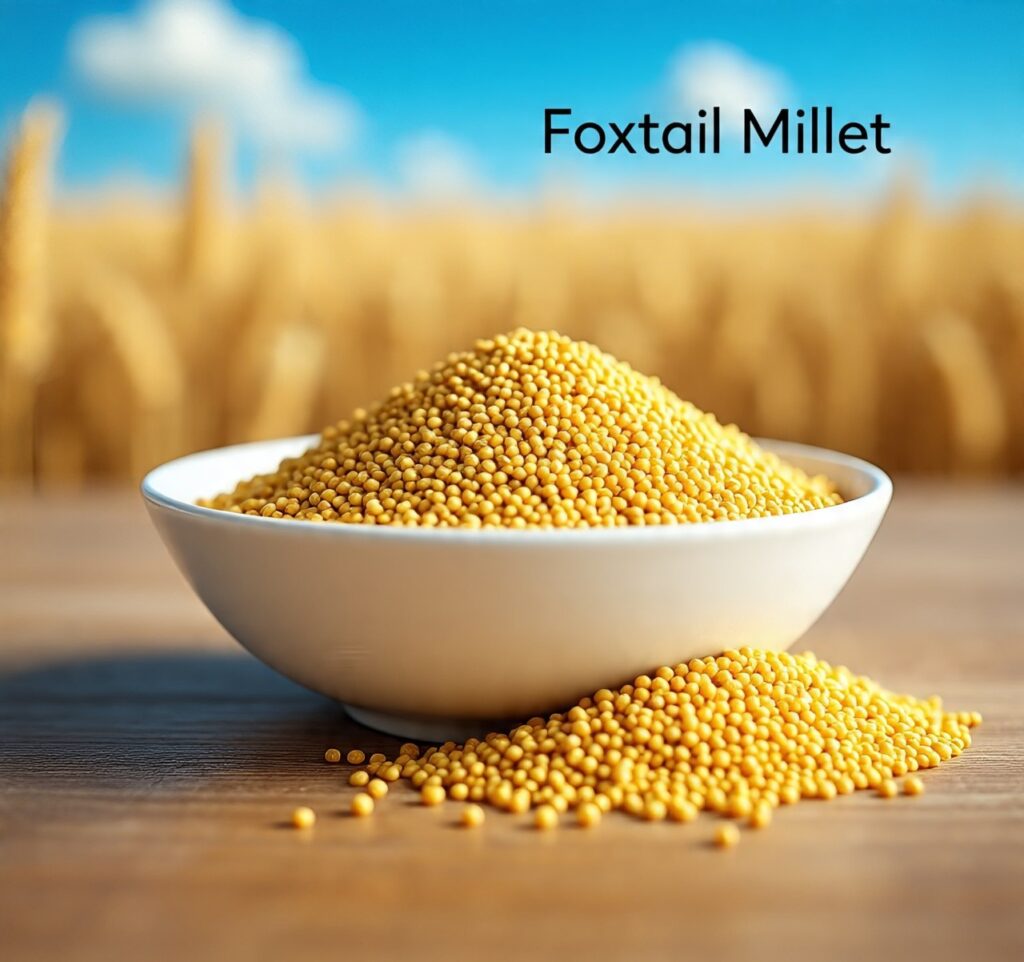
8. Foxtail Millet – Setaria italica
Also Known As: Kangni (Hindi), Thinai (Tamil), Navane (Kannada)
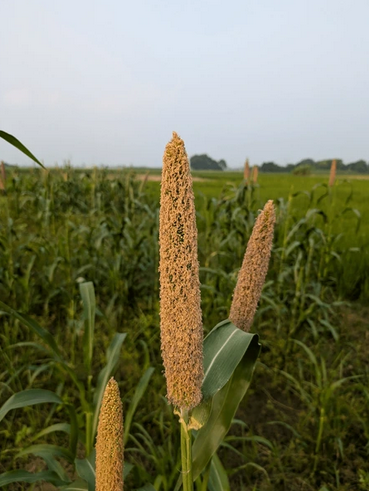
The Blood Sugar Regulator: One of the oldest cultivated millet’s, Foxtail Millet has a mild, nutty flavor and is a common substitute for rice in dishes like pongal and upma.
Nutritional Benefits: It is rich in carbohydrates that provide sustained energy, along with a good amount of iron and copper.
Health Advantages: It has a low glycemic index, making it ideal for diabetics. The antioxidants help boost immunity, and the copper content aids in maintaining bone and neural health.*