
Introduction
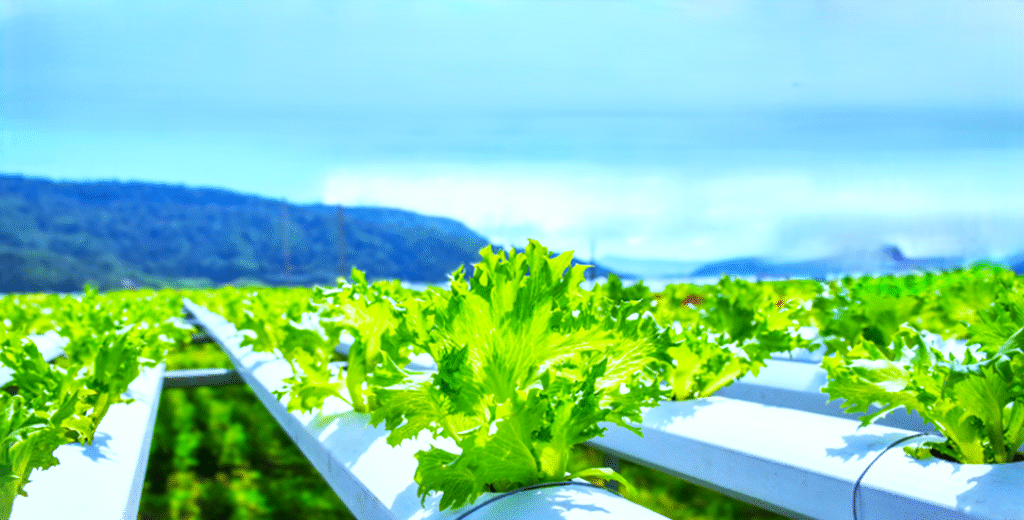
Imagine growing fresh, nutritious vegetables and herbs without soil, using up to 90% less water than traditional farming. Welcome to the world of hydroponic farming—a method that’s not just a modern innovation but one with roots stretching back thousands of years. From the legendary Hanging Gardens of Babylon to NASA’s space missions, hydroponics has evolved into a sustainable, efficient, and exciting way to grow food. In this article, we’ll explore the fascinating history of hydroponics and why its future looks brighter than ever.
A Glimpse into the Past
Hydroponic farming isn’t a new concept. Ancient civilizations like the Babylonians and Egyptians used early forms of soilless cultivation to grow lush gardens and floating farms along the Nile. Fast forward to the 17th century, when English scientist John Woodward began experimenting with water-based plant growth, laying the groundwork for modern hydroponics. Over the centuries, innovators like Johann van Helmont refined these techniques, proving that plants could thrive with nutrients delivered directly to their roots.
The 20th century brought groundbreaking advancements, such as the nutrient film technique (NFT), which allowed for precise nutrient delivery and marked the birth of today’s hydroponic industry. During World War II, hydroponics helped feed troops in remote areas, and by the 1960s, NASA was exploring its potential for space missions. Today, hydroponics is no longer confined to labs or history books—it’s a practical, scalable solution for feeding our growing population.
Future of Hydroponic Farming: Why It’s Blooming
Today, hydroponics is experiencing a massive resurgence, especially in urban environments where space is precious and soil quality can be a challenge. From crisp lettuce and juicy tomatoes to fragrant herbs and beautiful flowers, a diverse range of crops are being successfully grown hydroponically.
The future looks incredibly promising, and here’s why you should be excited about hydroponics:
Demand for Freshness: As we all become more health-conscious, the desire for fresh, locally grown produce is soaring. Hydroponic farms can deliver a consistent, year-round supply of fruits and vegetables, right where you live. This means less travel time, lower costs, and a smaller environmental footprint!
Technological Advancements: Get ready for even smarter farming! Innovations in lighting, climate control, and nutrient delivery systems are making hydroponic farming more efficient and cost-effective. This means better yields and lower prices for you.
Resilience Against Climate Change: With unpredictable weather becoming the norm, traditional farming faces new challenges. Hydroponics offers a more resilient and adaptable food system, less susceptible to droughts, floods, and other climate-related disruptions.
Sustainable Superpowers: Hydroponics is a champion of sustainability! It uses significantly less water and fertilizer than conventional farming, and generates less waste. As we focus on protecting our planet, sustainable practices like hydroponics will become increasingly vital.
The Rise of Vertical Farming: Imagine farms stacked high, maximizing production in minimal space! Vertical farming, often utilizing hydroponic techniques, is transforming urban landscapes, allowing us to grow more food per square foot than ever before.
Hydroponic farming isn’t just a method; it’s a smarter, more sustainable, and incredibly exciting way to nourish our communities. Whether you’re a curious gardener, a conscious consumer, or an aspiring farmer, the world of hydroponics offers a bounty of opportunities!