
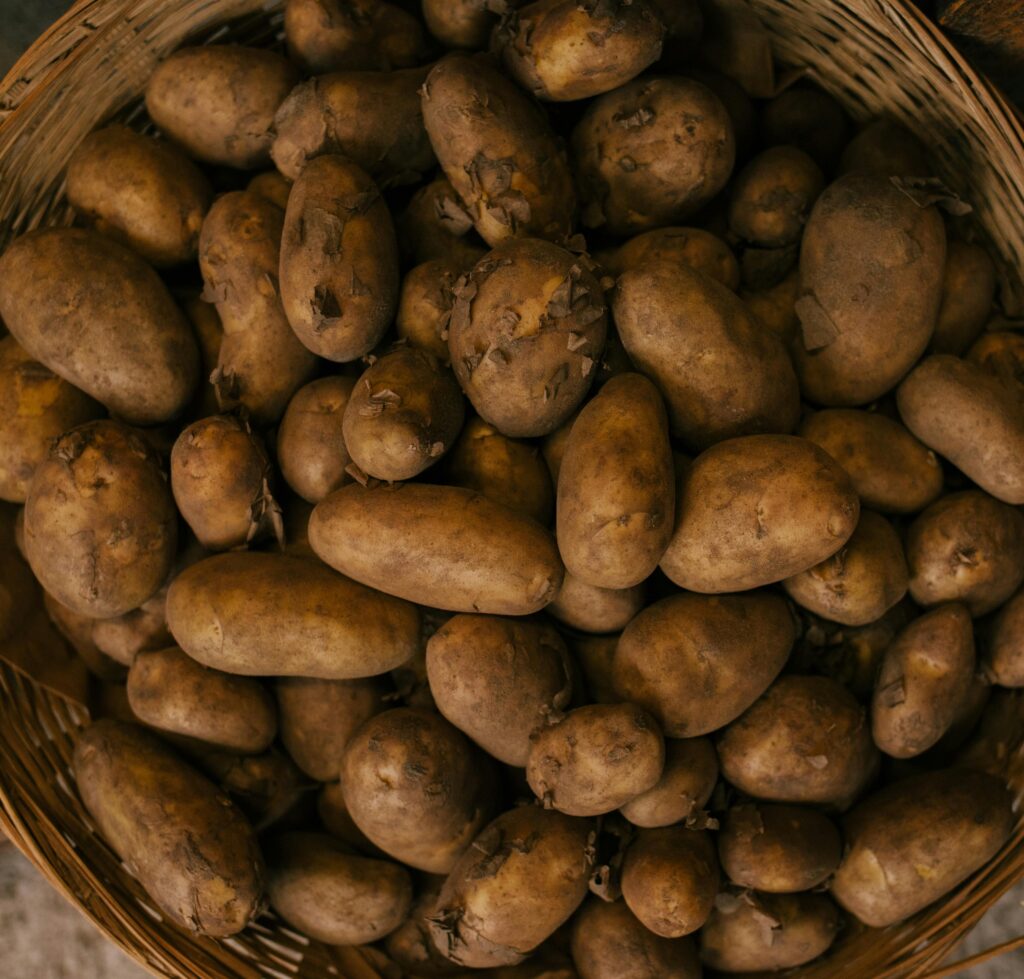
Potatoes are one of the most widely consumed and cultivated crops worldwide. Due to their high demand, profitable potato farming requires strategic planning, proper soil preparation, irrigation techniques, pest control, and efficient harvesting methods. Whether you’re a seasoned farmer or a beginner, this comprehensive guide will help you maximize your potato yield and profitability.
1. Ideal Climate and Soil for Potato Farming
Potatoes thrive in cool climates with temperatures ranging between 15-20°C (59-68°F). They require well-drained, loamy or sandy soil with a pH between 5.0 and 6.5. Good soil aeration and organic matter content significantly enhance tuber development.
Soil Preparation
- Plowing & Tilling: Deep plowing (20-30 cm) loosens the soil and removes weeds.
- Organic Matter: Adding compost or well-rotted manure improves soil fertility.
- Crop Rotation: Helps reduce soil-borne diseases and maintains soil health.
2. Potato Planting Process
- Seed Selection: Use disease-free, high-yielding certified potato seeds.
- Planting Time:
- Spring Crop: February – March
- Autumn Crop: September – October
- Winter Crop: December – January (in frost-free areas)
- Spacing & Depth: Plant tubers 8-10 cm deep with 30 cm spacing between plants and 60 cm between rows.
3. Irrigation Techniques for Potatoes
Proper irrigation ensures a high-quality yield:
- First Irrigation: Immediately after planting.
- Subsequent Irrigation: Every 7-10 days, adjusting based on soil moisture.
- Critical Growth Stages for Irrigation:
- Tuber Initiation
- Tuber Bulking
- Flowering Stage
- Avoid Waterlogging: Excess moisture can cause tuber rot.
4. Fertilization & Nutrient Management
Potatoes are heavy feeders and require balanced fertilization:
- Nitrogen (N): Boosts foliage growth (80-100 kg/ha).
- Phosphorus (P): Supports root and tuber development (60-80 kg/ha).
- Potassium (K): Enhances starch content and disease resistance (100-150 kg/ha).
- Micronutrients: Magnesium, Zinc, and Boron improve tuber quality.
5. Pest and Disease Management
Common Pests:
- Aphids: Cause curling of leaves and spread viral diseases.
- Colorado Potato Beetle: Damages leaves and reduces yield.
- Cutworms: Feed on stems and roots.
Control Measures:
- Regular monitoring and use of neem oil or biological controls.
- Use of insecticides like Imidacloprid for severe infestations.
Common Diseases:a
- Late Blight (Phytophthora infestans): Causes dark lesions on leaves.
- Early Blight (Alternaria solani): Brown spots on older leaves.
- Black Scurf: Fungal disease affecting tuber skin.
Prevention & Control:
- Use disease-resistant varieties.
- Apply fungicides like Mancozeb or Chlorothalonil.
- Practice proper crop rotation.
6. Harvesting & Storage of Potatoes
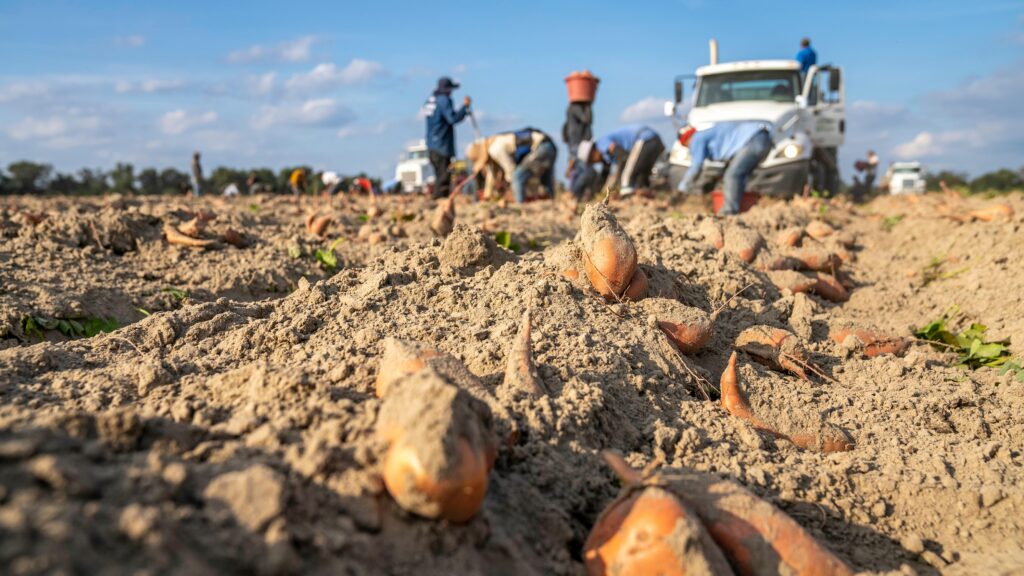
- Harvesting Time: When leaves turn yellow and dry (90-120 days after planting).
- Harvesting Methods: Use manual digging or mechanical harvesters to avoid tuber damage.
- Curing Process: Store harvested potatoes in a well-ventilated place for 10-15 days.
- Storage Conditions:
- Temperature: 4-10°C
- Humidity: 85-90%
- Dark storage prevents greening and sprouting.
7. Increasing Profitability in Potato Farming
- Opt for High-Yield Varieties: Choose disease-resistant and high-yielding cultivars.
- Efficient Irrigation: Drip irrigation minimizes water wastage.
- Proper Pest Management: Reduces crop loss.
- Market Timing: Selling during peak demand seasons ensures better pricing.
8. Profit Calculation Matrix for Potato Farming
| Land Area (Acres) | Yield (Tons per Acre) | Total Yield (Tons) | Selling Price per Ton ($) | Total Revenue ($) | Estimated Cost ($) | Net Profit ($) |
|---|---|---|---|---|---|---|
| 1 | 10 | 10 | 300 | 3,000 | 1,500 | 1,500 |
| 5 | 10 | 50 | 300 | 15,000 | 7,000 | 8,000 |
| 10 | 10 | 100 | 300 | 30,000 | 13,500 | 16,500 |
(Note: Costs may vary based on region, fertilizer, irrigation, and labor expenses.)
FAQs on Potato Cultivation
1. What is the best soil for growing potatoes?
Potatoes grow best in well-drained, loamy or sandy soil with a pH of 5.0-6.5.
2. How often should potatoes be watered?
Potatoes require irrigation every 7-10 days, depending on soil moisture levels.
3. What are the most common potato diseases?
Late blight, early blight, and black scurf are common potato diseases.
4. When is the best time to harvest potatoes?
Potatoes should be harvested when the foliage turns yellow and begins to dry, typically 90-120 days after planting.
5. How can I store potatoes for a long time?
Store potatoes in a cool (4-10°C), dark, and well-ventilated area with 85-90% humidity.
By following these best practices, farmers can achieve high yields and profitability in potato cultivation. Whether you are growing for commercial purposes or home gardening, implementing these methods will ensure healthy, high-quality potatoes. Happy farming!